
By Colin Houghton
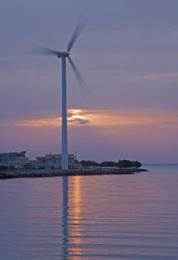
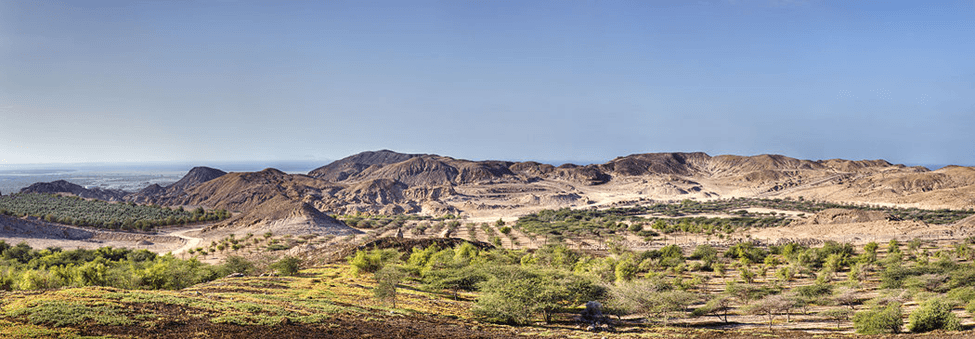
While the Middle East may seem an unlikely place for renewable energy power, given its abundance of fossil fuels, Sir Bani Yas Island, on the western coast of Abu Dhabi, is the site of the Middle East’s largest wind turbine. It has been producing renewable energy since January 2008
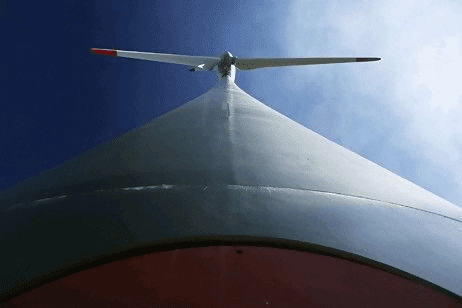
The wind turbine, which stands 65 metres high and has three rotor blades each with a 52 metre wing span, has a production capacity of 850 KW per hour. The wind turbine, the only one of its kind in the region at the time, was produced by Vestas Denmark, then the world’s largest wind turbine manufacturer.
It was always the intention for Tourism Development & Investment Company (TDIC), Abu Dhabi’s leading tourism asset developer-the name behind the creation of “Desert Islands”, and the Abu Dhabi Future Energy Company- Masdar, to create a green environment here.
Desert Islands, Abu Dhabi, are a collection of eight pristine islands where tourists can get up close and personal with nature and wildlife, discover past civilizations, or go an adventures. It was imperative that solar and wind power be utilised as a sustainability strategy for the Islands. Sir Bani Yas Island.
Bringing things up to date, Madsar are accepting bids a further project, set to make Sir Bani Yas island the Middle East’s largest wind farm. It intends to build a 20-30MW wind farm. Although the Island’s natural wind energy is not great, it is moderate and sufficient enough for the project to be successful. This will be combined with a 100MW set of solar array modules. Abu Dhabi is committed to sourcing 7 percent of its power from renewable sources within nine years, and wind has unexpectedly become a contributor. The Gulf is not a windy region, but turbine makers are developing specialised blades to generate more energy from the light breezes the region receives. The proposed new wind farm on Sir Bani Yas Island and a solar farm, capable of producing at least 100mw in the Western Region, are awaiting the go-ahead from Abu Dhabi’s Executive Council.
Madsar (which is Araic for “source”) are developing technology to make more energy from low-moderate wind producing areas, such as the planned development off-shore in theThames Estuary in England, known as the the London Array project. Offshore construction for this begun in March 2011, when the installation of the first of 177 foundations for the project. Construction of Phase One should be fully complete by the end of 2012.
Dear friend,
The move would be an eye opener for other oil rich contries as well that they too now have to favourably respond to the global climate change risks. No one is isolated from the affects of the green house gases, whether gas rich or forest rich.
Keep up good work. and Applause to author for highlighting this to rest of world as well!!!